Open Ticket
  +373 79 600002
  Telegram Live Chat
  F.A.Q
F.A.Q  English
 Русский
  Română
  Deutsch
  Français
  Türkçe
  Español
  Português
  Українська
  български
  Polski
  Indonesia
  中文 (中国)





























































































































 on All Hosting Services






Operating Systems
You keep seeing Omarchy in developer-desktop chatter and CachyOS in performance and gaming talk, so they look like direct rivals. That makes the comparison timely.
If you have ever seen 22, 80, 443, or 3306 in documentation or a VPS firewall panel, you have already run into network ports. The usual frustration comes a few minutes later: the app works on localhost, the server is…
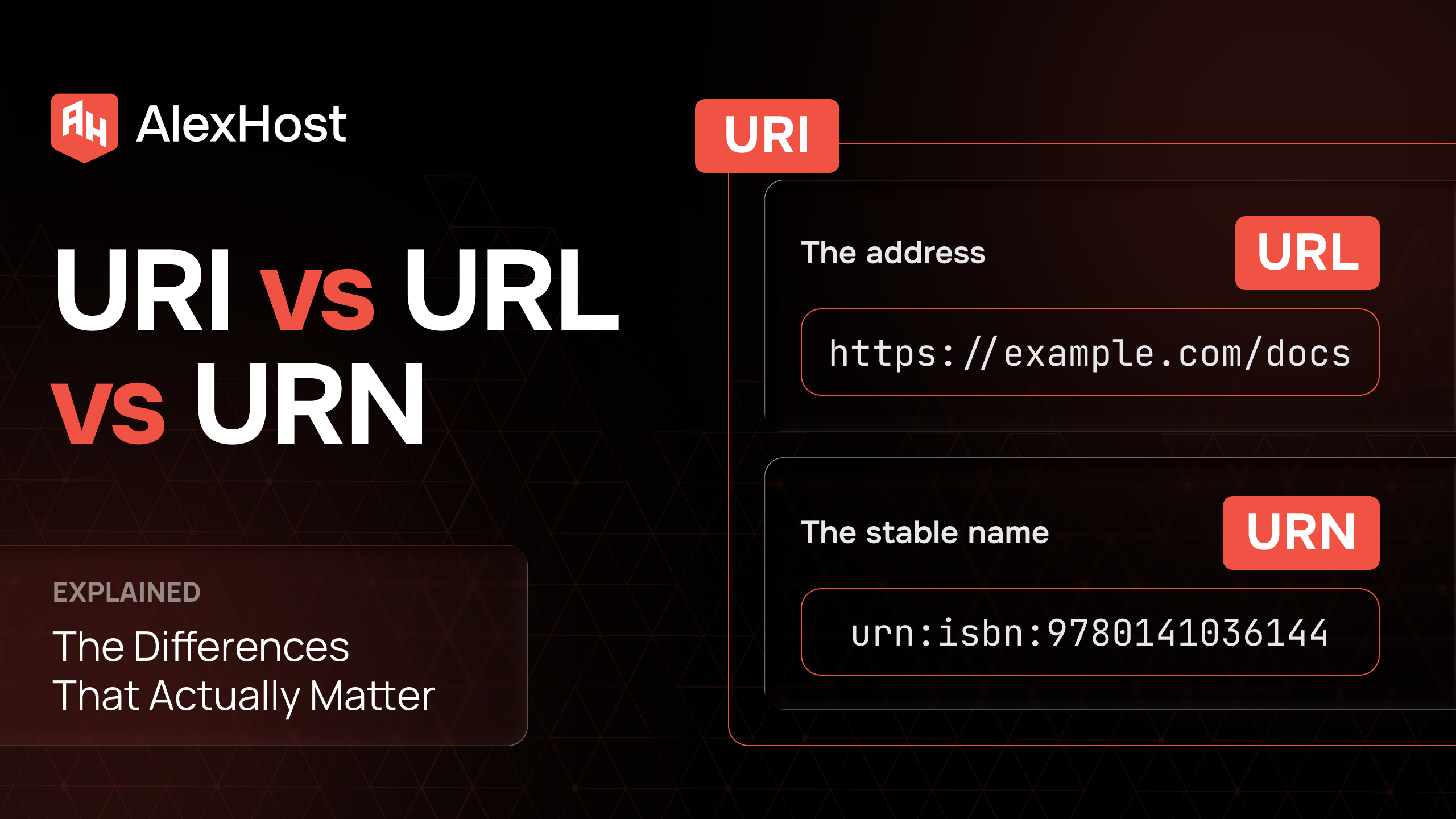
You have probably seen this label-switch happen in real time. Your browser talks about a URL. An API document talks about a URI. Then a standards example drops in a URN and makes it sound like the web has invented…
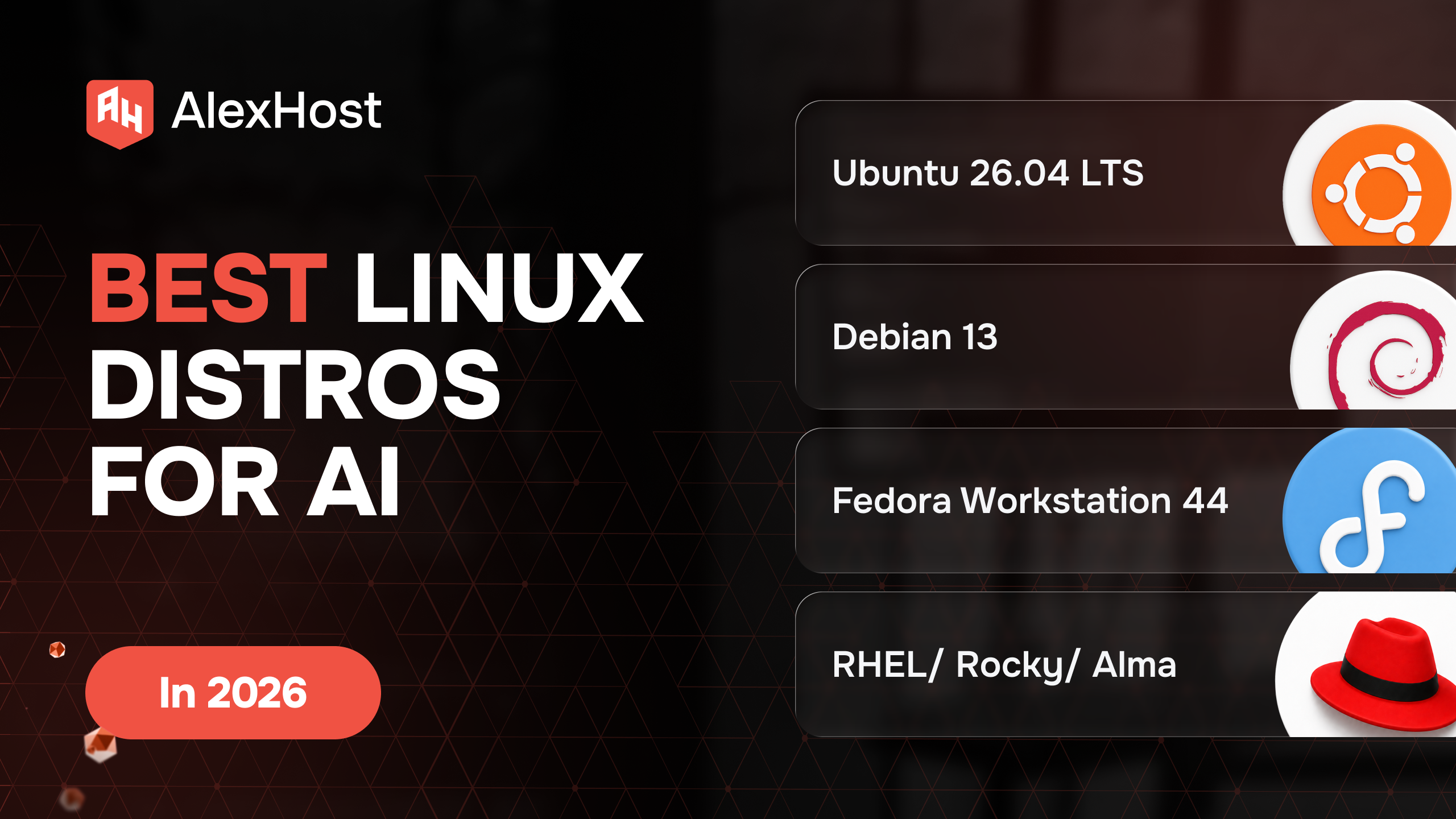
You have the GPU. You have the model. You have the enthusiasm. Then the afternoon disappears into a driver mismatch, a package version that assumes a different distro, or an update that breaks the container workflow you were about to…

You want to self-host an AI agent on anything from an old Android phone to a normal VPS to a more controlled always-on server. Then you find three names — ZeroClaw, PicoClaw, and NemoClaw — and assume they are direct…
Before we start, here are the terms you'll see throughout this guide. You don't need to memorize these — just know they exist, and the context will make them click.
OpenClaw is a powerful open-source, self-hosted AI agent framework that functions as a fully autonomous personal assistant. Running 24/7 on your local hardware, it connects to popular messaging platforms like Telegram, WhatsApp, Slack, and iMessage, executes shell commands, browses the…

Algorithmic trading systems are less like conventional applications and more like industrial plants: they run continuously, ingest real-time market data, execute decisions under tight latency budgets, and must remain predictable even during periods of extreme market volatility. Your choice of…
SSH (Secure Shell) is one of the most critical tools in the Linux ecosystem. System administrators, developers, and DevOps engineers rely on it daily for remote server access, secure file transfers, deployment automation, and infrastructure management. While most users interact…
Linux file permissions are one of the most fundamental — and most misunderstood — aspects of system administration. Whether you're managing a production web server, deploying applications, or writing automation scripts, a solid grasp of the Linux permission model is…